


Guide on Google E-A-T & SEO


Know More About Google E-A-T & its Impact in SEO
This article aims to guide you on Google’s “Expertise, Authoritativeness and Trustworthiness” (E-A-T) as it pertains to Google search engine optimization. “We believe that Google search results should reflect the person or company being listed in a way that is truthful, transparent and authentic.”
In order to achieve this Google has made a few changes to their algorithm which they hope will elevate trustworthy websites over other less trustworthy ones. The biggest change happened early 2014, Google announced that it would favor high quality sites in its search results. Google’s definition of quality sites are sites that are trustworthy, useful and engaging. Google realized that there are thousands of websites out there who are filled with junk content, affiliate links to products they get paid for if someone buys them, repetitive ads leading to low quality products, etc. Google has experienced countless users complaining about these bad sites. So Google decided to do something about it by making changes to their algorithm that would favor the good guys over the bad ones.
#1 Google E-A-T & SEO basics
Each time Google checks your site, it makes an assessment of your site based on E-A-T factors defined by Google themselves! Now you might be wondering how is Google able to determine what your site is about? Google uses its Googlebot to run programs on your website, extracting keywords and data. Google will use this information to determine if your website is relevant enough for it’s search results. Google also knows that you can tell lies, cheat, distort facts or play tricks using your front-end template (which is not indexed by Google). Google has provided an example of how they would check E-A-T based on what appears in the source code of a web page:
#2 Ways Google Measures Quality Websites
Google has several ways to measure quality of websites. The biggest one used by Google is Google’s PageRank algorithm.
#3 Google’s New Voice Search
Google has unveiled a new voice search engine for Google chrome to compete with Apple’s Siri. Google claims that this will offer users more natural ways of speaking things out loud instead of typing in text queries. Google also plans to integrate Google Now into the Chrome browser which will give you answers without having to type in any searches at all! For example, when you are searching for directions or reviews on Google Maps, it’ll be like asking another person who knows the answer you want instantly (which sounds great if it works!). This update is great news for E-A-T because it shows how much Google cares about user experience and satisfaction in their products!
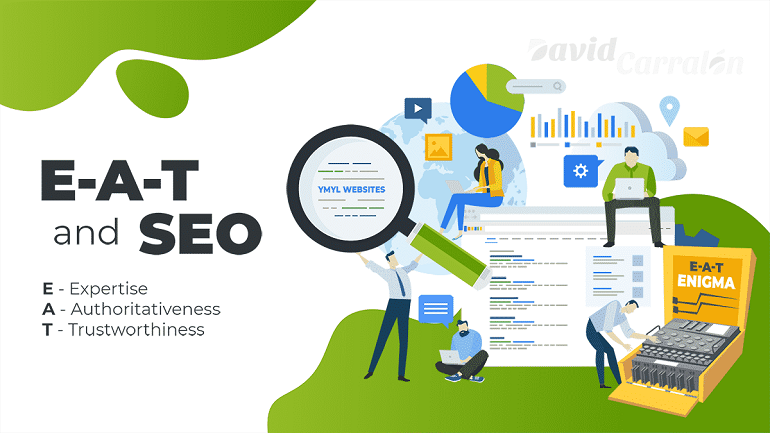
On June 25, 2013 Google announced that they were releasing mobile first indexing which means Google will use your mobile website as the primary way of ranking your website in their search results. The biggest reason for this is because more than half of all searches done on Google come from mobile phones rather than desktop computers. Google’s goal with mobile first indexing is to make Google faster and more user-friendly for Google users on Google mobile applications. Mobile first indexing helps Google determine which of your site’s pages are the most lightweight so Google can give those pages a higher ranking over other heavy pages that aren’t as useful to Google mobile users.
Google now recommends E-A-T as an important tool in Google rankings. Therefore, if you want your site to rank high on Google you should consider becoming highly trusted yourself by organizing your content into an easily digestible format and building a reputation that Google will find relevant and trustworthy enough for them to invest their resources into indexing it!
The best way is to do this is through link acquisition and backlinking! Link acquisition involves finding websites and blogs that Google thinks is relevant to your website and getting them to link to your website. Google gives more weight to sites and online businesses with a track record of linking out useful verified content. Google will trust this site as having authority when it comes the topics they cover in their posts! Google also looks at backlinks because it lets Google see how many other authoritative sources on the web agree that you deserve a high ranking in Google search results with ethical SEO techniques.
At least 70% of all organic traffic from Google is driven by user signals such as click-through rate, time spent on page, bounce rate etc. Since Google’s goal is not only to provide information they think users want but also provide the most useful information Google knows they should highly consider rewarding websites that Google knows users enjoy interacting with. Google considers factors such as
How the user interacts with the page (i.e does he/she spend time reading your content, is it relevant to his query?)
If Google finds this valuable enough, Google will rank you high in Google search results so more people can see your website!
Recent Posts


